


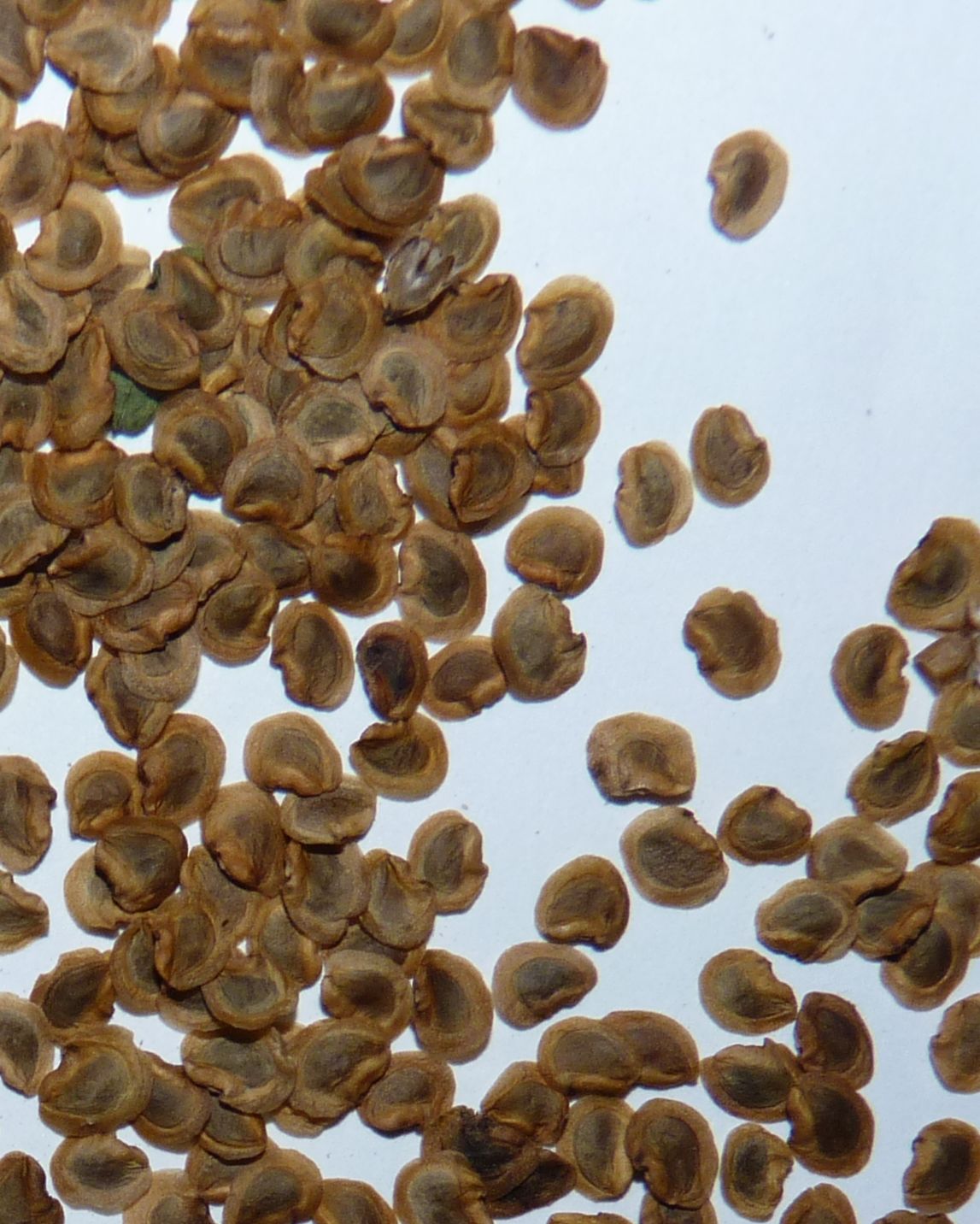

Yellow rattle seed
Yellow rattle seed: Rhinanthus Minor: Free shipping on this item.
July 2026 harvest: Fresh seed from Goren Farm
The meadow maker
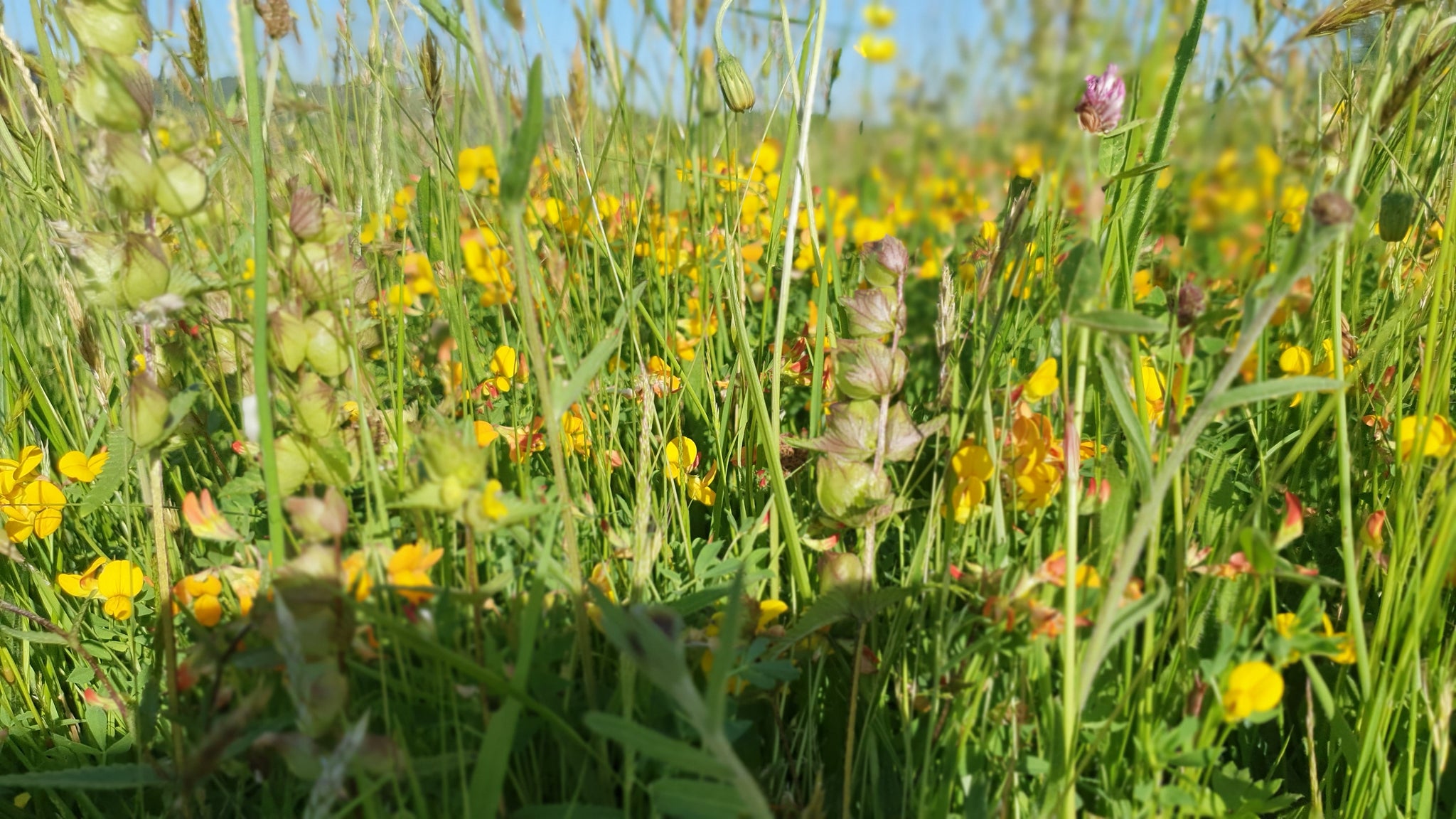
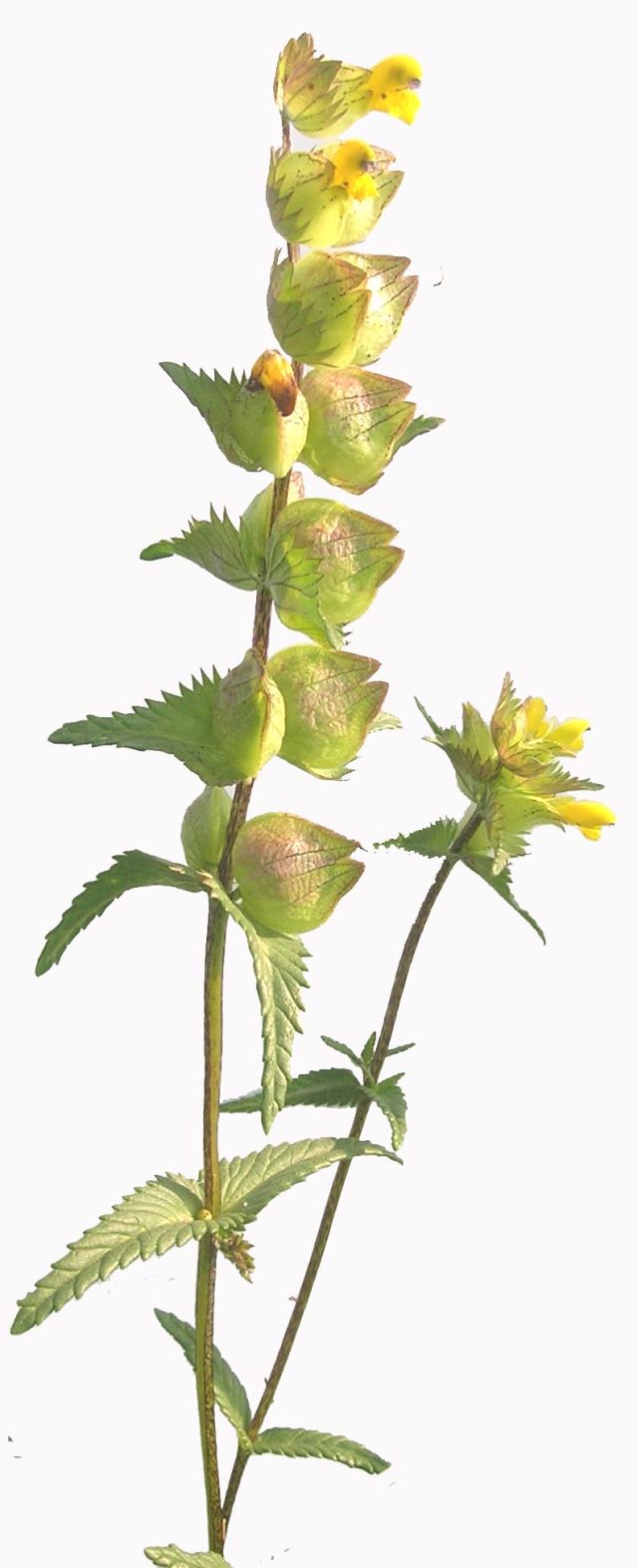
This charming wildflower is the heartbeat of a thriving meadow. Each summer its papery pods rattle in the breeze — a sign of balance between grass and wildflowers. By gently reducing grass vigour, Yellow Rattle opens space for a richer mix of native species, transforming ordinary pasture into a living tapestry of colour and pollinators.
Why it matters
Yellow Rattle is semi‑parasitic on grass roots, drawing just enough energy to let other wildflowers flourish. It’s a favourite of bumblebees, butterflies, and the rivulet moth, and a key species for conservationists restoring biodiversity on fertile soils.
Habitat
Found across Britain and Europe, from lowland meadows to upland pastures. Flowers May–July. Best in neutral or slightly acidic grassland that’s cut or grazed late each year.
How to sow
Scatter seed thinly onto short grass in autumn or winter and press or roll in — do not bury. Cold and sunlight trigger germination between February and April. Keep grass short until seedlings appear, then allow them to grow and set seed. Once established, Yellow Rattle will self‑seed and spread naturally, creating a meadow where wildflowers outshine the grass.
Emergence
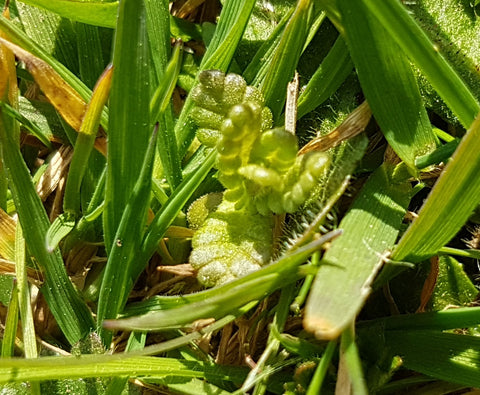
With the right conditions and a few warm days, the yellow rattle seed germinates, and depending on your latitude and local weather conditions, it throws up a small two-leafed shoot that looks a bit like jagged-edged stinging nettles. The seed's energy is soon used up, and if the grass is too long, it can't take in enough energy from the sun and will quickly perish. This is the main reason this seed is difficult to grow. If established successfully, its roots will parasitise nearby grass or clover in April/May. Without Grass, the yellow rattle will struggle to thrive and eventually perish. This delicate balance between having grass but not too long is critical for the survival of Yellow Rattle.
By late May, the plant should begin to flower; it is orange/red at the base as it opens, turning to yellow in full bloom. The leaves are small as it is now taking part of its nutrients from the Grass and Clovers. Flowering continues for four weeks, and by Early July, the yellow rattle seed pods have ripened to Golden colour and can be heard rattling in the breeze. If sufficient yellow rattle, the grass would hardly grow and, by the end of June, be relatively short and easy to Cut.
No of seeds/g: 300
Sowing rate:
Yellow rattle seeds should be sown at a rate between 0.1g and 1g per square meter between August and December.
See the growing guide for detailed information on growing this seed.
These prices include VAT and delivery